
Up next: Open House Brno, Rome, Vilnius, and Prague
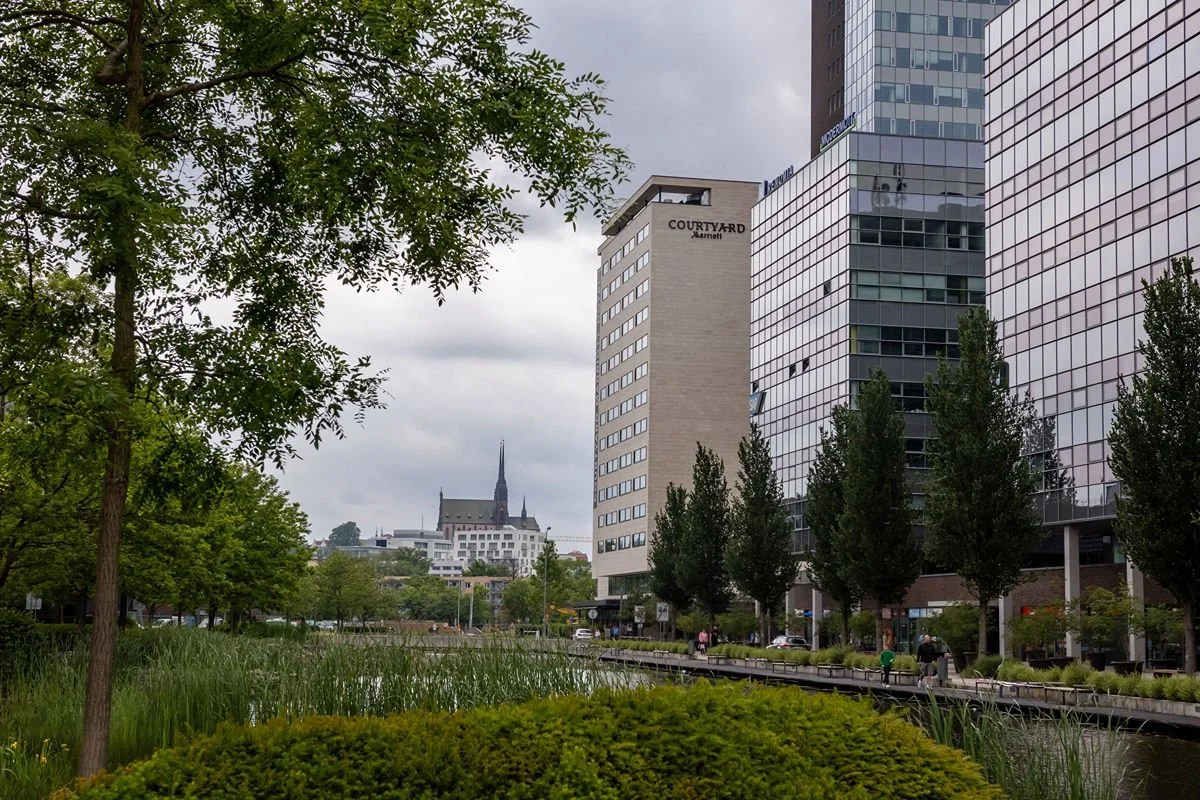
Spielberk. Photo by Michal Hausknecht
OPEN HOUSE BRNO
BRNO, CZECHIA
15-17 MAY
The ninth edition of Open House Brno will feature more than 130 buildings, including the modern office complexes Vlněna, Ponávka, and Spielberk Office Centre by CTP. New additions to this year’s programme include the Supreme Court of the Czech Republic.
Part of the programme is the Visual Stories competition for visual artists. Another new feature of this year’s edition is the festival’s expansion to Boskovice, in collaboration with architect Petr Ondráček and the Museum of the Boskovice Region.
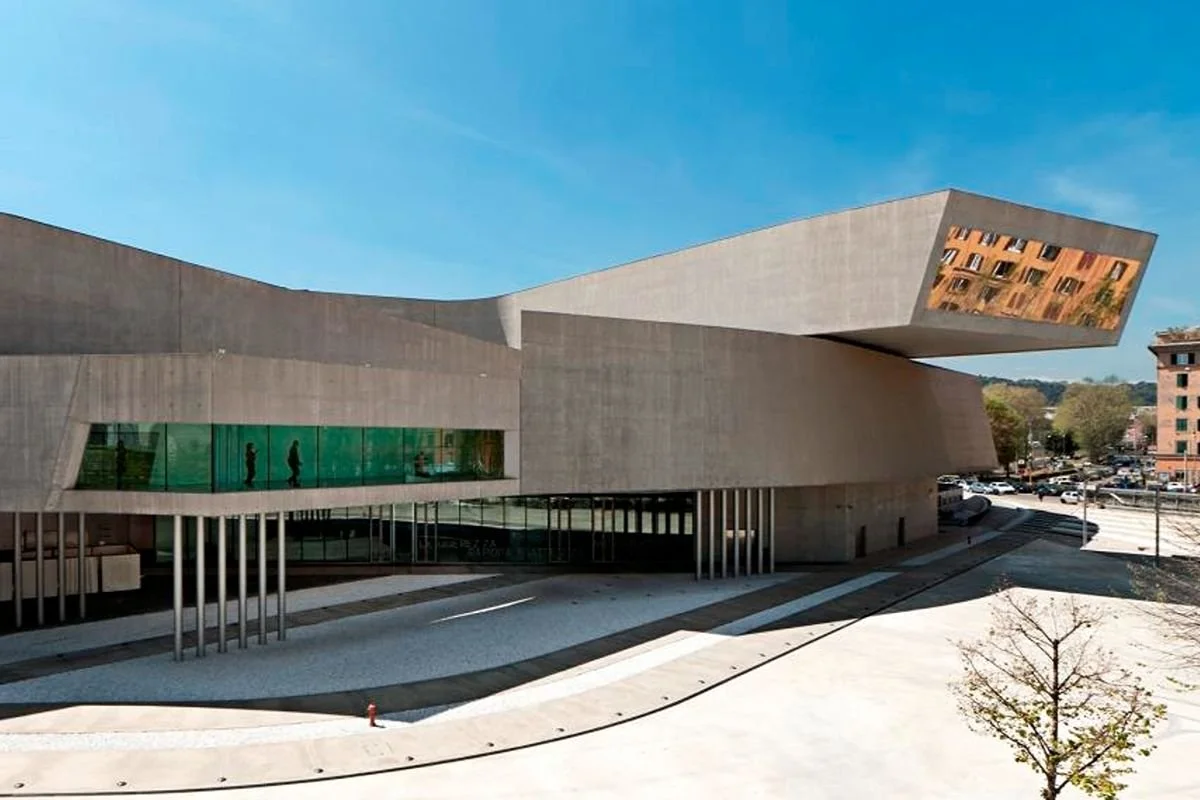
MAXXI. Photo by Francesco Bolia
OPEN HOUSE ROMA
ROME, ITALY
16–24 MAY
The theme of this year's edition of Open House Rome is City in Flux, exploring how greenery as infrastructure can connect parts of the city. Highlights include Rome's historic Semenzaio, where all the plant species used throughout the city are cultivated. A parallel theme, Feminine Rome, celebrates the role of women designers in Rome through dedicated events, such as the Nomentano Market, designed by Elena Luzzatto, the first woman to graduate in architecture in Italy in 1925. Other highlights include the beautiful Biblioteca di Pio IX, Palazzo Wedekind, and the recently renovated Forte Aurelia.
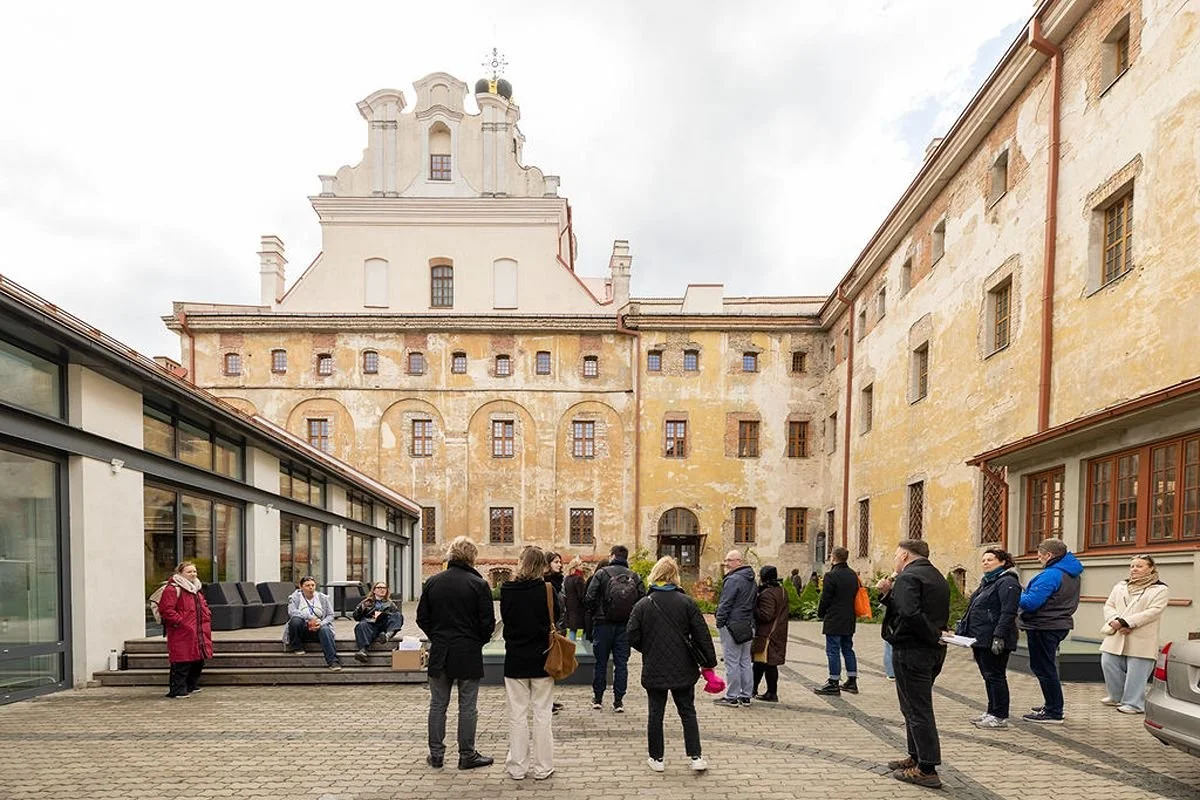
Lojoteka. Photo by Dovilė Servienė
OPEN HOUSE VILNIUS
VILNIUS, LITHUANIA
16-17 MAY
Open House Vilnius returns with this year’s theme Voice of the City, inviting visitors to discover both iconic landmarks and rarely accessible spaces that reveal unexpected layers of Vilnius. The festival programme features more than 70 venues – from buildings and interiors to green spaces and creative studios – offering the chance to experience architecture from different perspectives. This edition introduces 12 new venues and expands beyond traditional architecture tours with guided walks through urban green spaces, boat tours on the Neris River, and visits to active construction sites.
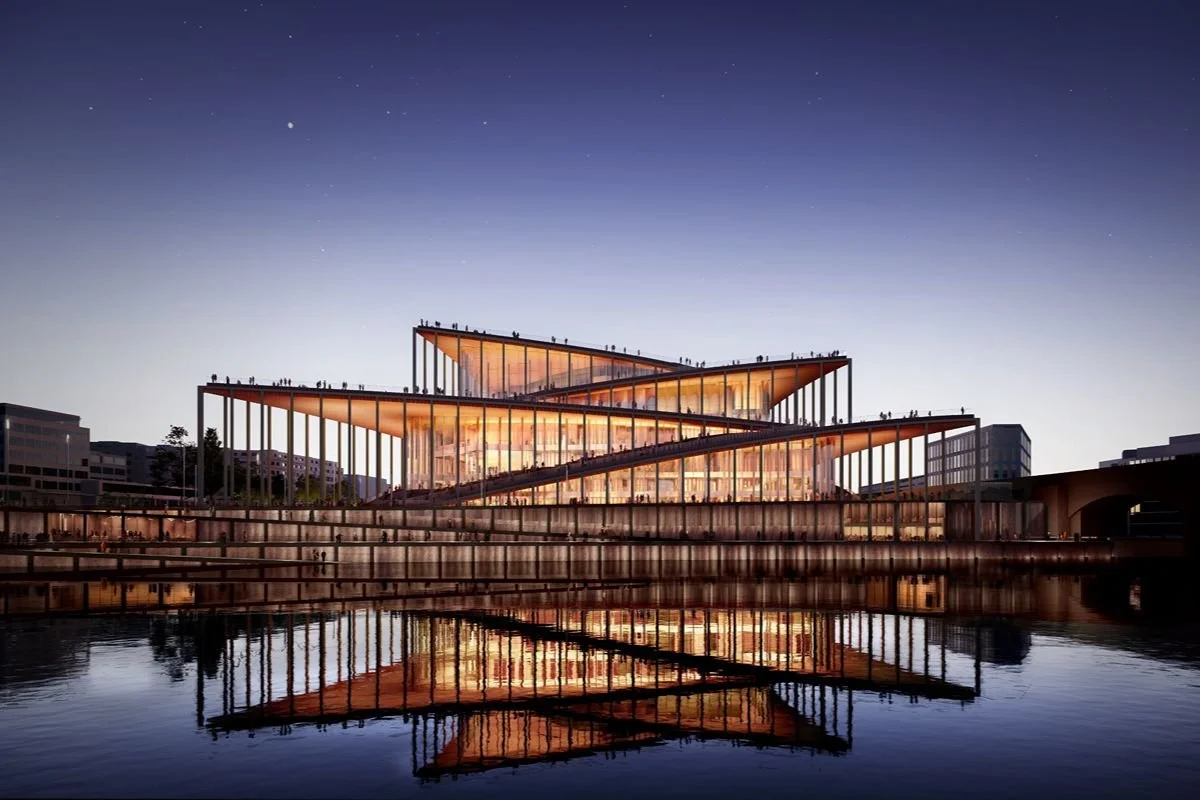
Dvorecky Most. Photo by Karel Stefl
OPEN HOUSE PRAHA
PRAGUE, CZECHIA
18-24 MAY
This year’s edition of Open House Praha places a strong focus on the future of historic buildings, adaptive reuse, and the changing identity of the city. Highlights include the Savarin Riding Hall, the ongoing transformation of Praha-Bubny Station into a Centre of Memory and Dialogue, and contemporary developments Fragment, Lihovar, and Mint Living. There also is an extensive programme of talks, walks, screenings, and community events, alongside dedicated activities to ensure the festival remains accessible to children, international visitors, and people with different accessibility needs.
